
The Bone Trail
The Crying of Lot 49A disputed trade in human remains links a modern development to wartime deaths and gives the play’s imagery a disturbing material counterpart.
increasing Bearing strength in each event
 decreasing
Bearing strength in each eventdecreasingA Pursued Lawyer
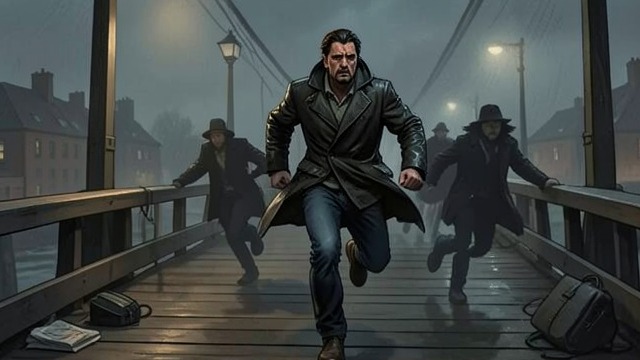
Manny’s Sudden Arrival
Flight across the water
Manny Di Presso emerges from hiding and asks Oedipa and Metzger for help while men pursue him. His appearance turns a leisurely outing into a flight from a dangerous client.
Litigation enters the estate
Di Presso reveals that he is suing Pierce’s estate over bones allegedly supplied for a cigarette-filter project. Oedipa’s administrative work now touches a morally troubling commercial dispute.
Bones in the Lagoons
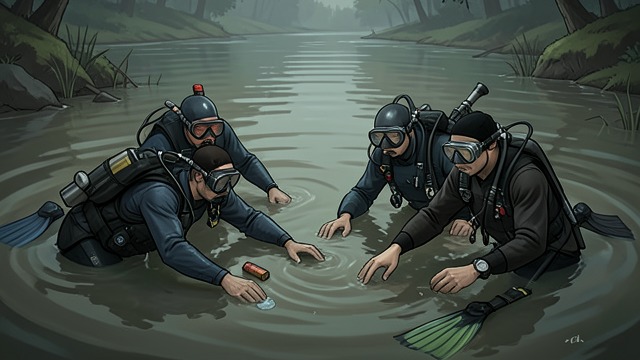
Remains as Decoration
A commercial attraction
Di Presso says that some human bones lie at the bottom of Lake Inverarity, where they serve as scenery for divers. Other remains were processed during research into Beaconsfield’s filter material.
The estate’s complicity
The transaction connects entertainment, industry, and the dead. Oedipa has to confront the possibility that Pierce’s business world treated human remains as ordinary commodities.
The Source at Pietà

A Forgotten Company
A wartime pocket
Di Presso traces the bones to soldiers who died near Lago di Pietà during the Italian campaign. Their isolated unit received no rescue, and the bodies were left in the lake.
Recovery for sale
Years later, Tony Jaguar and associates salvaged bones and found buyers through commercial intermediaries. A catastrophe that had disappeared from public memory entered the market as raw material.
The Lawsuit’s Weak Claim
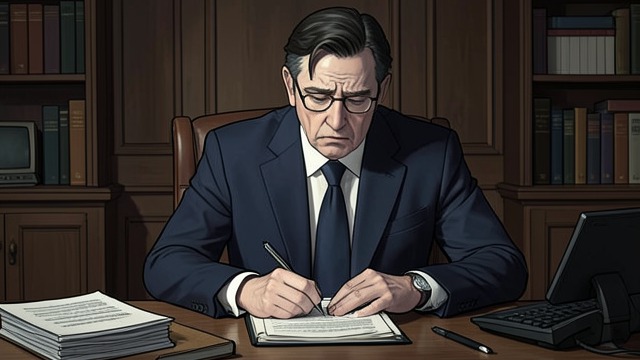
Payments and Ownership
A disputed connection
Metzger observes that Pierce was not a direct shareholder in Beaconsfield, complicating Di Presso’s claim that Pierce personally owed the supplier. The business chain runs through separate companies.
Responsibility diffused
The layered transactions make it difficult to identify who authorized or benefited from the sale. The legal question mirrors the novel’s broader concern with responsibility hidden inside complex systems.
The Play’s Echo
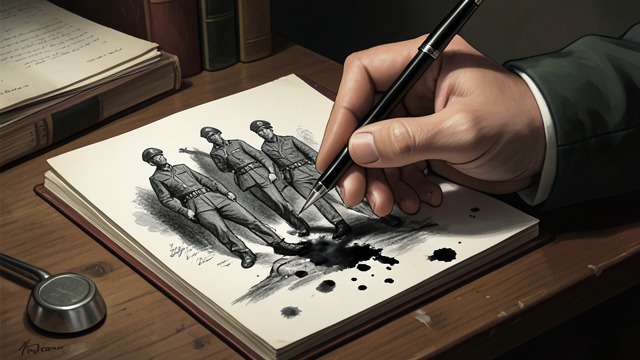
From Bone to Ink
A theatrical parallel
The play’s revelation that murdered guards became charcoal and then ink echoes the modern story of bones turned into filter material. Oedipa recognizes how closely the two histories seem to align.
Meaning without proof
The resemblance intensifies her sense that the play contains more than invention. Yet a parallel can make an interpretation compelling without establishing that the events belong to one continuous history.
At Fangoso Lagoons
Later that day at Lake Inverarity
During Di Presso’s account of the lawsuit
As Metzger examines the bone transaction
At the performance of The Courier’s Tragedy
